InglewoodWestern Australia · 4.3 km from the Perth CBD
What the public data says about Inglewood: who lives here, what the offence rates are, and where the figures sit against the rest of the state.
Suburb summary
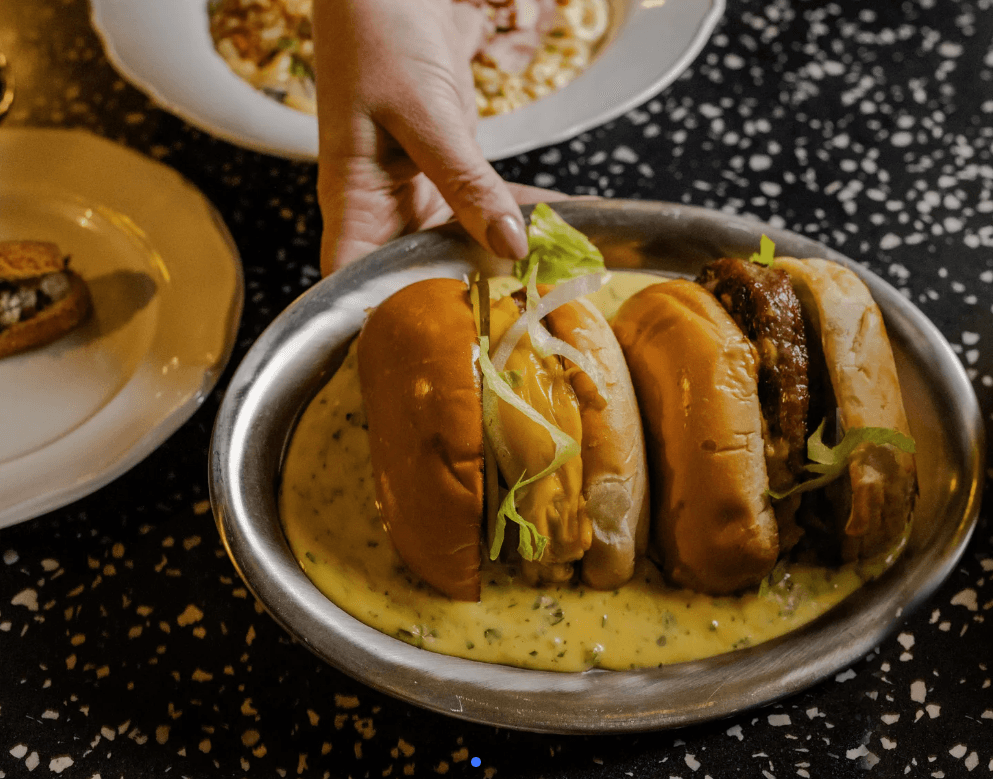
Inglewood sits 4.3 km from the Perth CBD and is a relatively small suburb, with 5,837 residents across 2,448 dwellings. It has a strong owner occupier base, with 63.7% of dwellings owner occupied and 33.7% rented. Separate houses make up 59.8% of the housing stock, apartments 23.8% and townhouses 16.1%. The median age is 39 and the average household contains 2.3 people. Beaufort Street is a significant part of the suburb's appeal, providing a walkable strip of cafes, restaurants, bars and local businesses. The precinct continues to attract new hospitality venues, including Bistro Massilia, which opened at 965 Beaufort Street in 2026.
The income, employment and education figures are strong. Median weekly family income is $3,064 against a middle Western Australian suburb of $2,112, full-time employment is 59.8% against 56.2%, and unemployment is 3.4% against 4.5%. Bachelor degree attainment is also high at 41.5%, compared with 23.9% across Western Australia. A further 36.2% of dwellings are owned with a mortgage, which points to a substantial proportion of households actively buying into the suburb rather than simply holding property purchased many years ago.
Crime is low on most measures and typical on the rest. Social stability, burglary, motor vehicle theft and assault all sit at or below the middle Western Australian suburb. Overall crime probability is 8.2 offences per 100 residents against a middle suburb of 7.1, while property damage is 0.94 against 0.7. Neither reaches Knome's concern point of 12.71 and 1.36 respectively. Public housing is 3%, above the middle suburb figure of 1.5%, but remains within the typical range.
There is also a strong case for investors to consider Inglewood. Its proximity to the CBD, access to the Beaufort Street precinct and strong income, employment and education profile give the suburb many of the characteristics Knome looks for when considering long-term tenant appeal. Smaller property configurations are particularly interesting. Apartments and townhouses can provide access to the same location, amenity and demographic profile at a substantially different price point to detached housing, with the potential for stronger rental yields.
The main challenge when buying in Inglewood is supply. With only 2,448 dwellings and a large owner occupier base, the number of suitable properties reaching the market can be limited. Knome would not wait indefinitely for a theoretically perfect property. When an opportunity meets the buyer's location, property, budget and purchasing parameters, the priority is to put them in the strongest possible position to secure it. Valuation also needs to respect the suburb's varied housing stock. Detached houses, apartments and townhouses should be assessed within their own markets, because proximity alone does not make one property a useful comparable for another.
Sources: ABS Census 2021 and WA Police 2025. Knome benchmarks are calculated across 624 Western Australian suburbs.
Written by Knome, a licensed Perth buyers agency, RA87115. Published 2026.
Is Inglewood safe?WA Police 2025
8.2 per 100 residents. Typical WA suburb 7.1. Above 12.71 it starts to become a concern.
1.1 per 100 residents. Typical WA suburb 1.14. Above 2.25 it starts to become a concern.
0.29 per 100 residents. Typical WA suburb 0.32. Above 0.66 it starts to become a concern.
0.12 per 100 residents. Typical WA suburb 0.12. Above 0.24 it starts to become a concern.
0.94 per 100 residents. Typical WA suburb 0.7. Above 1.36 it starts to become a concern.
1.13 per 100 residents. Typical WA suburb 1.28. Above 2.51 it starts to become a concern.
Rates are offences per 100 residents. The typical WA suburb is the middle suburb, so half sit above it. A rate in the highest quarter for the state is where it starts to become a concern. Lower is safer.
Offence counts WA Police 2025 · Populations ABS Census 2021 · Typical WA suburb calculated by Knome
Who lives in Inglewood?ABS Census 2021
Middle WA suburb 56.2%. Below 53.5% it starts to become a concern.
Middle WA suburb 4.5%. Above 5.8% it starts to become a concern.
Middle WA suburb $2,112. Below $1,701 it starts to become a concern.
Middle WA suburb 1.5%. Above 4.6% it starts to become a concern.
Rated figures show where this suburb sits among Western Australian suburbs. Strong is the better half of the state and the far end is the outermost quarter, so the word means the same on every row. The scale always runs low to high, so green is on the right where more is better and on the left where less is.
ABS Census 2021 · Typical WA suburb calculated by Knome
Education
| Level | Inglewood | WA |
|---|---|---|
| Bachelor degree and above | 41.5% | 23.9% |
| Advanced diploma and diploma | 10.4% | 9.3% |
| Certificate III and IV | 10.6% | 17.8% |
| Any post-school qualification | 62.5% | 51.1% |
ABS Census 2021 · Of people aged 15 and over
What are the homes like in Inglewood?ABS Census 2021
Owned against rented
- Owned outright 27.5%
- With a mortgage 36.2%
- Rented 33.7%
- Other or not stated 2.6%
Of 2,448 dwellings
What the dwellings are
- Separate house 59.8%
- Semi-detached or townhouse 16.1%
- Flat or apartment 23.8%
- Other or not stated 0.3%
Of 2,448 dwellings
Against an address, not a suburb
Every figure above describes Inglewood as a whole, not the property you are considering.
Four more checks only mean anything against a real address, because the answer changes between two streets and sometimes between two sides of one. They are what the free Red Flag Report runs, on screen, in seconds, without asking for anything.
Whether the property sits in a bushfire prone area on the state's mapping.
Whether the floodplain mapping reaches the block, which the suburb name never tells you.
Distance and exposure to the roads that carry the traffic, street by street.
Where the property sits under the Perth Airport flight paths and noise contours.
What we have bought in InglewoodThree properties
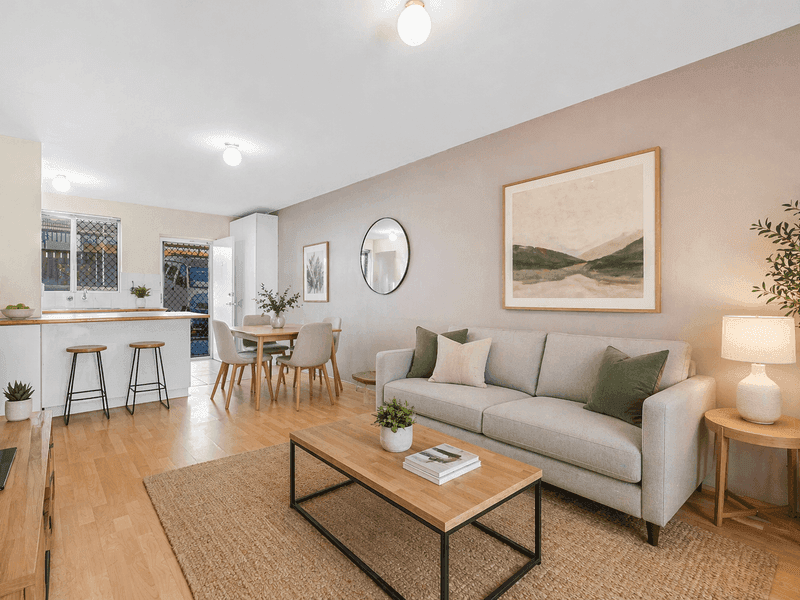
Also bought in Inglewood
- 5/132 Sixth Avenue, Inglewood WA 6052
- 3/35 Wood Street, Inglewood WA 6052
Addresses are a matter of public record, published by Landgate and the portals. Knome never names who bought a property.
Do you buy in Inglewood?
Yes. Knome is a Perth buyers agency and Inglewood, WA is inside the area we work. If you are looking here and want somebody on your side of the table, start a conversation on WhatsApp or Messenger.